

Crafting a standout resume is crucial for anyone seeking truck driver jobs. A well-structured CV highlights your skills and experience and sets you apart in a competitive job market. With the right approach, you can effectively showcase your qualifications, making it easier for hiring managers to recognize your potential. In this guide, we will explore various truck driver resume examples, best practices, and essential tips to help you land your dream job in the trucking industry.
How to write a CV for a truck driver
Writing an effective CV for a truck driver is crucial in a competitive job market. A well-crafted resume not only highlights your qualifications and experience but also demonstrates your professionalism and attention to detail. This process involves more than just selecting a template; it requires careful personalization to reflect your unique skills and experiences. By following the steps outlined in this guide, you can create a compelling CV that stands out to employers.
Step 1: Choose the Right Format
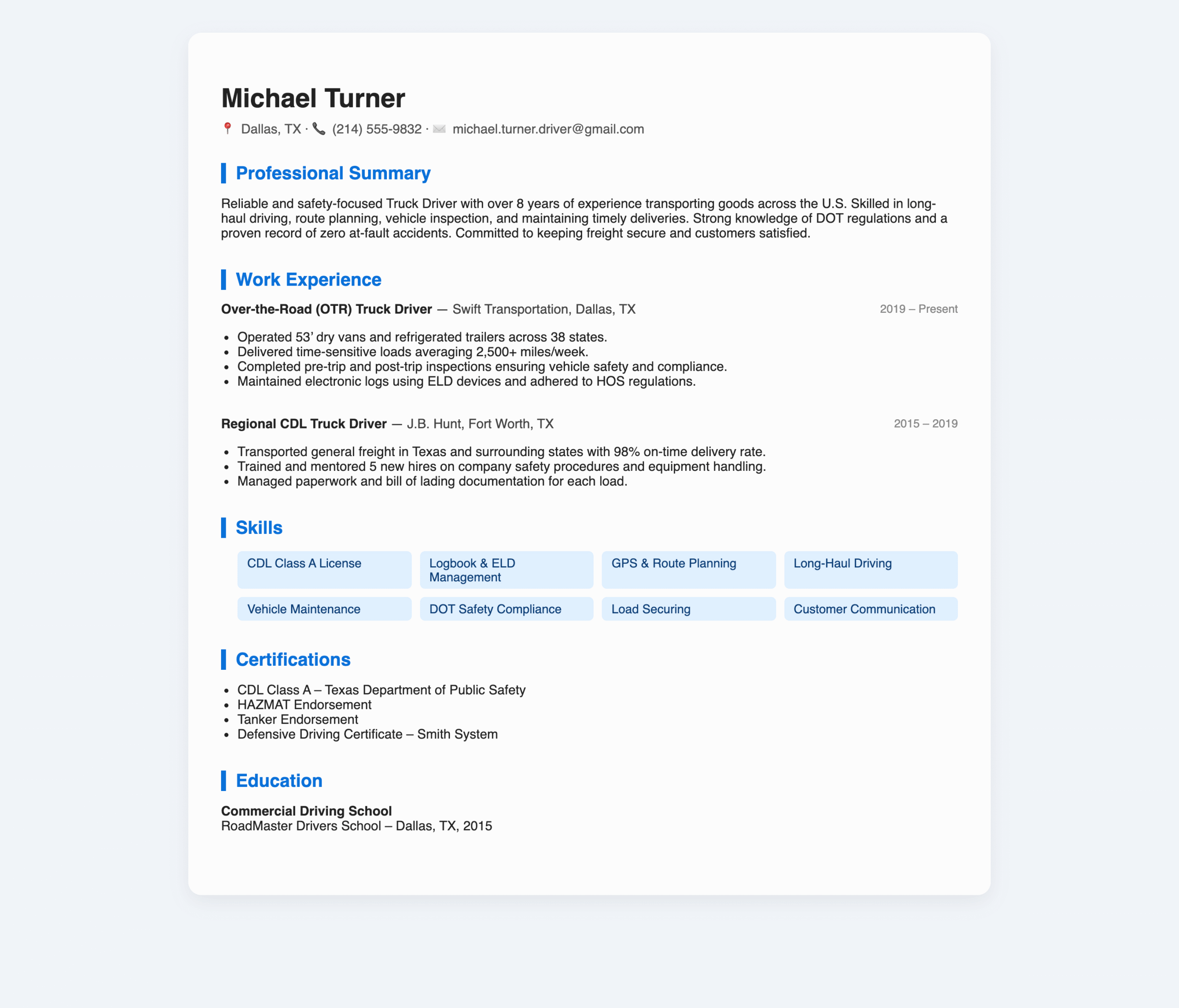
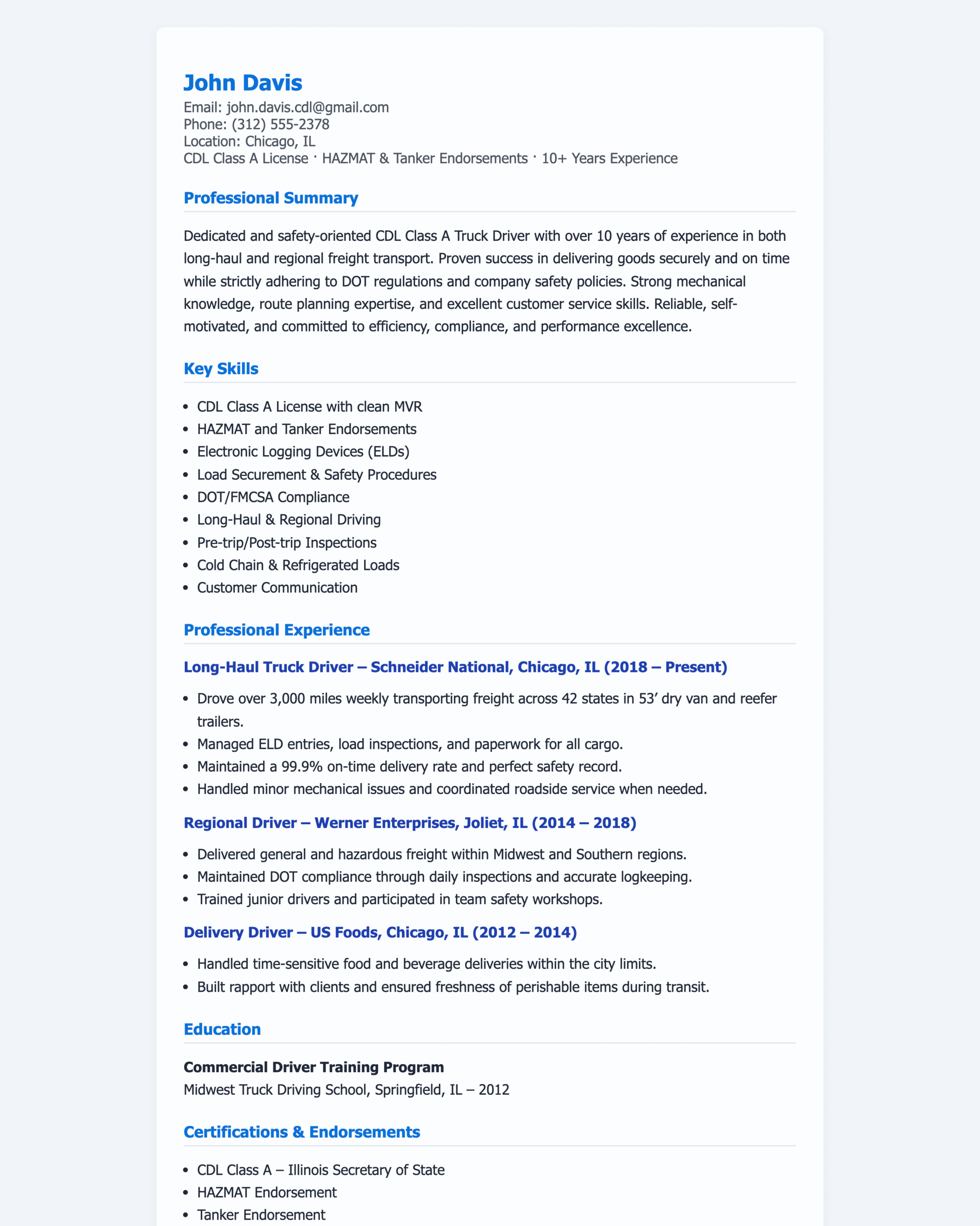
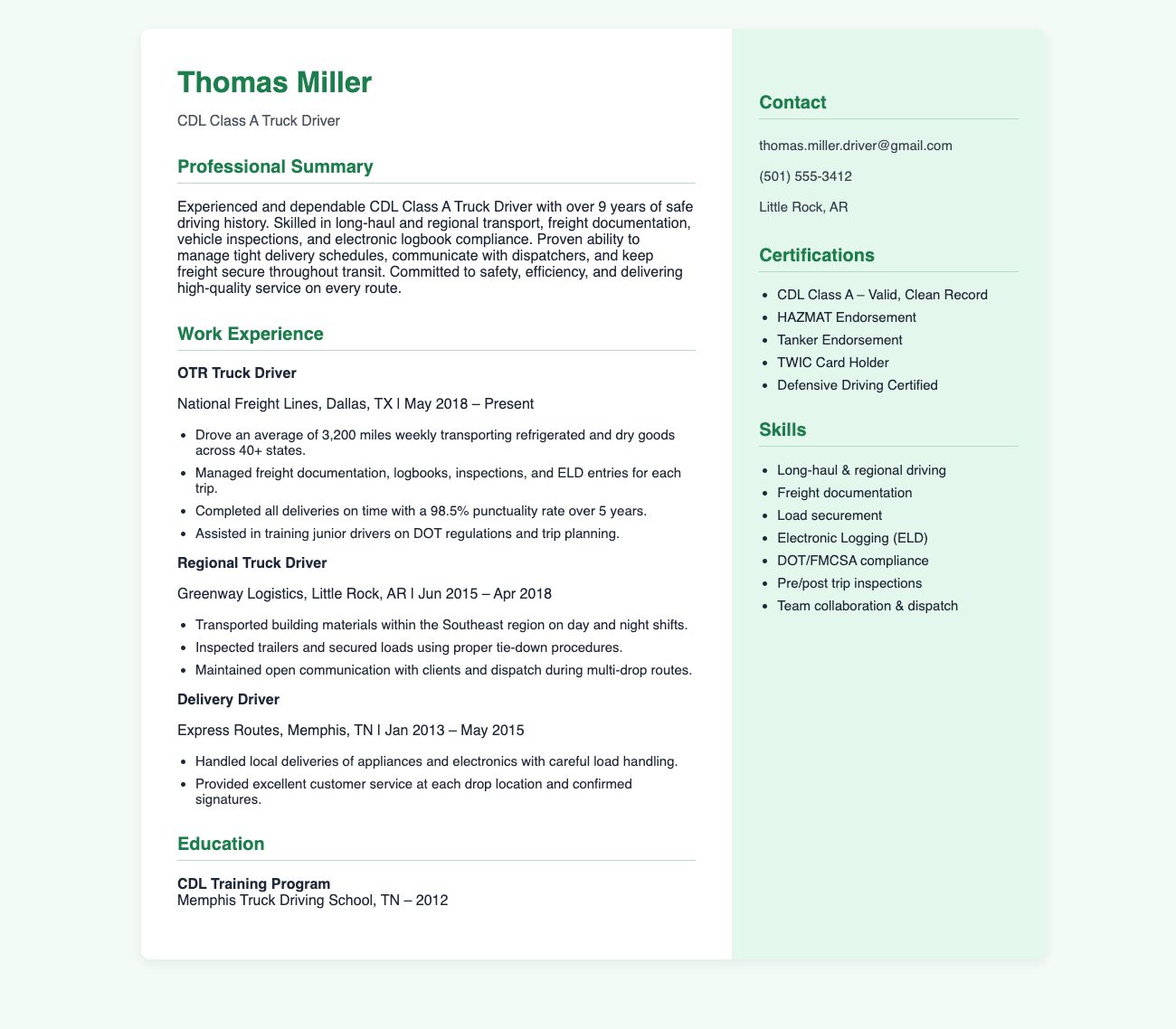
Start by selecting a CV format that best showcases your experience. The most popular formats are chronological, functional, and combination resumes. For truck drivers, a chronological format is often preferred as it allows employers to easily see your work history and relevant experience. Ensure that the layout is clean and easy to read, as clarity is key.
Step 2: Write a Strong Summary Statement
Your summary statement should provide a snapshot of your qualifications and career goals. Focus on your years of experience, type of driving (e.g., long-haul, regional), and any special skills or certifications. A well-crafted summary can capture the employer’s attention and encourage them to read further. Avoid generic statements; instead, tailor this section to reflect your unique strengths.
Step 3: Highlight Relevant Skills
List specific skills that are essential for truck driving, such as safety awareness, vehicle maintenance, and navigation skills. Be sure to include both hard skills (e.g., CDL certification, and knowledge of DOT regulations) and soft skills (e.g., communication, and time management). This section should be tailored to match the job description of the position you are applying for, ensuring alignment with what employers are seeking.
Step 4: Detail Your Work Experience
When detailing your work experience, include job titles, company names, locations, and dates of employment. Use bullet points to list your responsibilities and achievements in each role. Quantify your accomplishments with specific metrics whenever possible, such as “Delivered goods to over 20 locations weekly” or “Maintained a clean driving record with zero accidents in five years.” This provides concrete evidence of your capabilities.
Step 5: Include Education and Certifications
List any relevant education and certifications, such as your high school diploma, commercial driver’s license (CDL), and any additional training (e.g., hazardous materials endorsement). Be sure to include the institution name, location, and graduation date or completion date. Certifications demonstrate your commitment to the profession and can set you apart from other candidates.
Step 6: Add Additional Sections as Needed
Consider including additional sections such as volunteer experience, professional affiliations, or awards related to your driving career. These sections can provide a more comprehensive view of your background and dedication to the field. However, ensure that any additional information is relevant and enhances your candidacy rather than detracting from it.
Step 7: Proofread and Customize for Each Application
Before submitting, thoroughly proofread for any spelling or grammatical errors. A polished resume reflects your attention to detail, which is critical in the trucking industry. Customize your CV for each job application by incorporating keywords from the job description. This helps your resume get past applicant tracking systems (ATS) and shows the employer that you are genuinely interested in the position.
By following these steps, you can create a professional and effective CV that highlights your qualifications as a truck driver. Remember, your resume is often your first impression—make it count!
Top Skills for Truck Drivers
Success as a truck driver relies on a blend of technical and soft skills. Technical skills ensure safe and efficient vehicle operation, while soft skills facilitate communication and problem-solving on the road.
Technical Skills
- Commercial Driver’s License (CDL)
- Vehicle Maintenance and Inspection
- Navigation and Route Planning
- Load Securement Techniques
- Emergency Response Skills
- GPS and Technology Proficiency
- Regulatory Compliance Knowledge
Soft Skills
- Effective Communication
- Time Management
- Problem-Solving Abilities
- Adaptability
- Attention to Detail
- Stress Management
- Customer Service Orientation
Certifications That Make a Difference
In the competitive field of truck driving, certifications play a crucial role in setting professionals apart and enhancing their credibility. These credentials demonstrate a driver’s expertise and commitment to safety and significantly improve their resumes, making them more attractive to potential employers. With the right certifications, truck drivers can showcase their specialized skills, increase their job opportunities, and potentially command higher salaries.
- Commercial Driver’s License (CDL) – The foundational certification required for all truck drivers, the CDL ensures that drivers are trained to operate large vehicles safely and effectively.
- Hazardous Materials (HazMat) Endorsement – This certification is essential for drivers who transport hazardous materials, demonstrating their knowledge of safety protocols and regulations associated with such cargo.
- Transportation Worker Identification Credential (TWIC) – Required for access to secure areas of ports and vessels, the TWIC certification helps drivers comply with security measures in the transportation industry.
- Defensive Driving Course Certification – This certification focuses on safe driving techniques, helping drivers reduce the risk of accidents and improve their overall driving skills.
- Forklift Certification – While not directly related to driving on the road, this certification is valuable for truck drivers who need to load and unload freight safely in warehouses or shipping yards.
- First Aid/CPR Certification – This certification equips drivers with essential skills to respond effectively in emergencies, enhance safety on the road and demonstrate a commitment to health and safety practices.
- Electronic Logging Device (ELD) Certification – With the increasing use of ELDs to track hours of service, this certification ensures that drivers are proficient in using these devices, promoting compliance with federal regulations.
Structuring Your Truck Driver Resume
As mentioned above, crafting a well-structured CV is crucial for any job seeker, especially for truck drivers looking to stand out in a competitive job market. This section will guide you through the essential parts of a resume, offering actionable tips tailored to truck driving roles. By understanding the significance of each section and how to optimize them, you can create a resume that effectively showcases your qualifications and experiences.
Header
The resume header is the first impression a potential employer will have of you, making it vital to get it right. It should include your full name, contact information (phone number and email), and links to professional online profiles, such as LinkedIn. A concise and competently structured header provides clarity and professionalism, allowing employers to easily reach you. Avoid common mistakes like using an unprofessional email address or omitting essential contact details.
Good Example:
John Doe
(555) 123-4567
Bad Example:
JD123
555-1234
Summary
The summary section serves as your elevator pitch, briefly summarizing your experience and qualifications. For truck drivers, this is your chance to highlight key skills such as safe driving records, experience with different vehicle types, and customer service abilities. Aim for a concise statement that captures your strengths and makes a strong case for why you are the right candidate. Avoid generic phrases and tailor your summary to the job you are applying for.
Good Example:
Dedicated truck driver with over five years of experience in long-haul trucking, maintaining an exemplary safety record and a commitment to timely deliveries. Proven ability to navigate various routes efficiently while ensuring customer satisfaction.
Bad Example:
Hardworking individual looking for a driving job with a good company.
Experience
You can truly shine in the experience section by showcasing your relevant work history. Focus on achievements and quantifiable results, such as miles driven, on-time delivery percentages, and customer feedback. Use action verbs to convey your responsibilities and tailor your experience to align with the job description. This shows potential employers that you have the necessary skills and experiences to excel in the role.
Good Example:
– Successfully completed over 350,000 miles of long-haul driving with a 99% on-time delivery rate over three years.
– Trained new drivers on safety protocols and efficient route planning, resulting in a 20% reduction in delivery time.
Bad Example:
Drove trucks for a while and did my job well.
Education
It’s important to present your educational background clearly and effectively in the education section. This includes relevant degrees, certifications (such as a Commercial Driver’s License), and any additional training programs. Highlight honors or coursework that pertain to the trucking industry. If applicable, consider including your GPA to demonstrate academic excellence. This section provides employers with a snapshot of your formal qualifications.
Good Example:
Commercial Driver’s License (CDL), State of California, 2021
Certificate in Truck Driving, ABC Trucking School, 2020
Relevant Coursework: Safety Management, Transportation Logistics
Bad Example:
Graduated high school and went to driving school.
Truck Driver Resume Example
This section provides a selection of resume examples tailored specifically for truck driver roles. It showcases the correct structure and content necessary to make a strong impression in the trucking industry. The examples cater to various experience levels, guiding readers to craft effective resumes that highlight their skills and qualifications.
Example 1: General Level
John Doe
123 Main Street
Anytown, USA 12345
(555) 555-5555
johndoe@email.comProfessional Summary:
Dedicated and reliable truck driver with over 5 years of experience driving various types of trucks in diverse environments. Committed to delivering goods safely and on time while adhering to all traffic regulations. Excellent communication skills and a strong focus on customer service.Core Competencies:
– Valid CDL (Commercial Driver’s License)
– Route Planning and Navigation
– Safety and Compliance Regulations
– Time Management
– Customer Service SkillsExperience:
Truck Driver
ABC Logistics, Anytown, USA
January 2018 – Present
– Delivered goods to over 50 locations weekly, maintaining a 98% on-time delivery rate.
– Conducted vehicle inspections and maintained logs to ensure compliance with safety regulations.
– Assisted in training new drivers on best practices for safety and efficiency.Education:
High School Diploma
Anytown High School, Anytown, USA
Graduated May 2015
Example 2: Experienced Level
Jane Smith
456 Oak Avenue
Othertown, USA 67890
(555) 555-6666
janesmith@email.comProfessional Summary:
Accomplished truck driver with over 10 years of experience in long-haul transportation and logistics. Proven track record of exceeding performance metrics and ensuring timely deliveries. Recognized for leadership skills and ability to mentor junior drivers, fostering a culture of safety and efficiency.Core Competencies:
– Extensive Knowledge of DOT Regulations
– Advanced Route Optimization
– Fleet Management
– Leadership and Team Development
– Conflict Resolution SkillsExperience:
Senior Truck Driver
XYZ Freight Company, Othertown, USA
March 2015 – Present
– Led a team of 5 drivers, improving overall delivery performance by 20% through strategic route planning.
– Achieved a 99% safety rating over 5 consecutive years.
– Developed and implemented a driver training program that improved compliance with safety protocols.Education:
Associate Degree in Transportation Management
Othertown Community College, Othertown, USA
Graduated May 2014
Example 3: Entry-Level Level
Mike Johnson
789 Pine Road
Sometown, USA 11223
(555) 555-7777
mikejohnson@email.comProfessional Summary:
Motivated and eager entry-level truck driver with a recently obtained CDL and a strong commitment to safety and customer satisfaction. I completed extensive coursework in transportation operations and am eager to apply the skills I learned in a practical setting.Core Competencies:
– CDL (Commercial Driver’s License)
– Strong Work Ethic
– Basic Vehicle Maintenance
– Time Management
– Customer Service OrientationExperience:
Intern Truck Driver
LMN Transportation, Sometown, USA
June 2023 – August 2023
– Assisted in deliveries, gaining hands-on experience in route navigation and safety protocols.
– Maintained accurate shipping logs and performed basic vehicle maintenance checks.
– Shadowed experienced drivers to learn best practices in customer service and safety.Education:
Certificate in Truck Driving
Sometown Vocational School, Sometown, USA
Graduated May 2023
Resume Writing Tips for Truck Driver
- Highlight Relevant Experience: Include specific truck driver roles, detailing the types of vehicles operated and any specialized training.
- Showcase Certifications: List important certifications such as CDL (Commercial Driver’s License) and any endorsements (e.g., HazMat, Tanker).
- Emphasize Safety Record: Mention your safety record, including accident-free miles and adherence to regulations, to demonstrate reliability.
- Detail Skills: Include technical skills (e.g., vehicle maintenance, route planning) and soft skills (e.g., communication, problem-solving) relevant to truck driver roles.
- Use Action Verbs: Start bullet points with strong action verbs like “operated,” “managed,” or “delivered” to convey your contributions effectively.
- Customize for Each Job: Tailor your resume for each truck driver position by integrating keywords from the job description to pass through Applicant Tracking Systems (ATS).
- Keep It Concise: Limit your resume to one page if possible, focusing on the most relevant truck driver experiences and skills.
- Include Professional Development: Mention any additional training or workshops that showcase your commitment to continuous improvement as a truck driver.
Common Mistakes to Avoid
- Neglecting Pre-Trip Inspections: Many truck drivers skip thorough pre-trip inspections, which can lead to unsafe driving conditions. Always check your vehicle’s essential systems before hitting the road.
- Ignoring Hours of Service Regulations: Truck drivers often underestimate the importance of adhering to hours of service regulations. Familiarize yourself with these rules to avoid fatigue and possible penalties.
- Inadequate Load Securement: Failing to secure loads properly can result in accidents or fines. Always double-check your load before departure to ensure it’s safe and secure.
- Improper Use of Technology: Some truck drivers misuse navigation systems, leading to errors. Learn how to use GPS and mapping tools effectively to stay on the right route.
- Not Keeping Maintenance Records: Many truck drivers overlook the importance of maintaining accurate maintenance records. Keep detailed logs to ensure compliance and track vehicle performance.
- Failing to Communicate with Dispatch: Poor communication with dispatch can cause misunderstandings and delays. Regularly check in to stay updated on routes and schedules.
- Overloading the Vehicle: Truck drivers sometimes exceed weight limits, risking safety and legal issues. Always adhere to weight restrictions and check your load’s weight before departure.
- Underestimating Weather Conditions: Ignoring weather forecasts can lead to unsafe driving. Always check the weather and adjust your driving accordingly to ensure safety.
- Disregarding Rest Breaks: Some truck drivers push through fatigue without taking breaks. Schedule regular rest stops to maintain alertness and safety on the road.
- Being Unprepared for Emergency Situations: Not having an emergency kit can be detrimental. Always carry essentials like water, first-aid supplies, and tools to handle unexpected situations.
FAQs
What should I include in my truck driver resume?
Your truck driver resume should include your contact information, a summary statement, relevant work experience, certifications (like CDL), skills related to driving and safety, and any additional training or endorsements.
How do I highlight my driving experience on my CV?
Focus on detailing your years of experience, types of vehicles driven, routes covered, and any specific accomplishments such as safe driving awards or on-time delivery records to showcase your driving background effectively.
What skills are important for a truck driver CV?
Essential skills include safe driving practices, knowledge of local and federal transportation regulations, vehicle maintenance, navigation, and strong communication abilities with dispatchers and clients.
Should I include my education on a truck driver resume?
Yes, while formal education may not be critical, including any relevant training courses, certifications, or high school diplomas can enhance your qualifications and demonstrate your commitment to the profession.
How can I make my truck driver resume stand out?
Customize your resume for each job application by using specific keywords from the job description, highlighting relevant experiences, and showcasing any unique skills or endorsements that may differentiate you from other candidates.
Is it necessary to list references on my truck driver CV?
It’s not necessary to list references directly on your CV; instead, you can indicate that references are available upon request, allowing you to save space for more pertinent information.
What format should I use for my truck driver resume?
A chronological format is often best for truck drivers, as it clearly outlines your work history and progression in the field. However, consider a functional format if you are changing careers or have gaps in employment.
How do I tailor my CV for different trucking companies?
Research each company’s values and requirements, then adjust your CV to emphasize relevant experience and skills that align with their specific needs, ensuring your application resonates with their expectations.