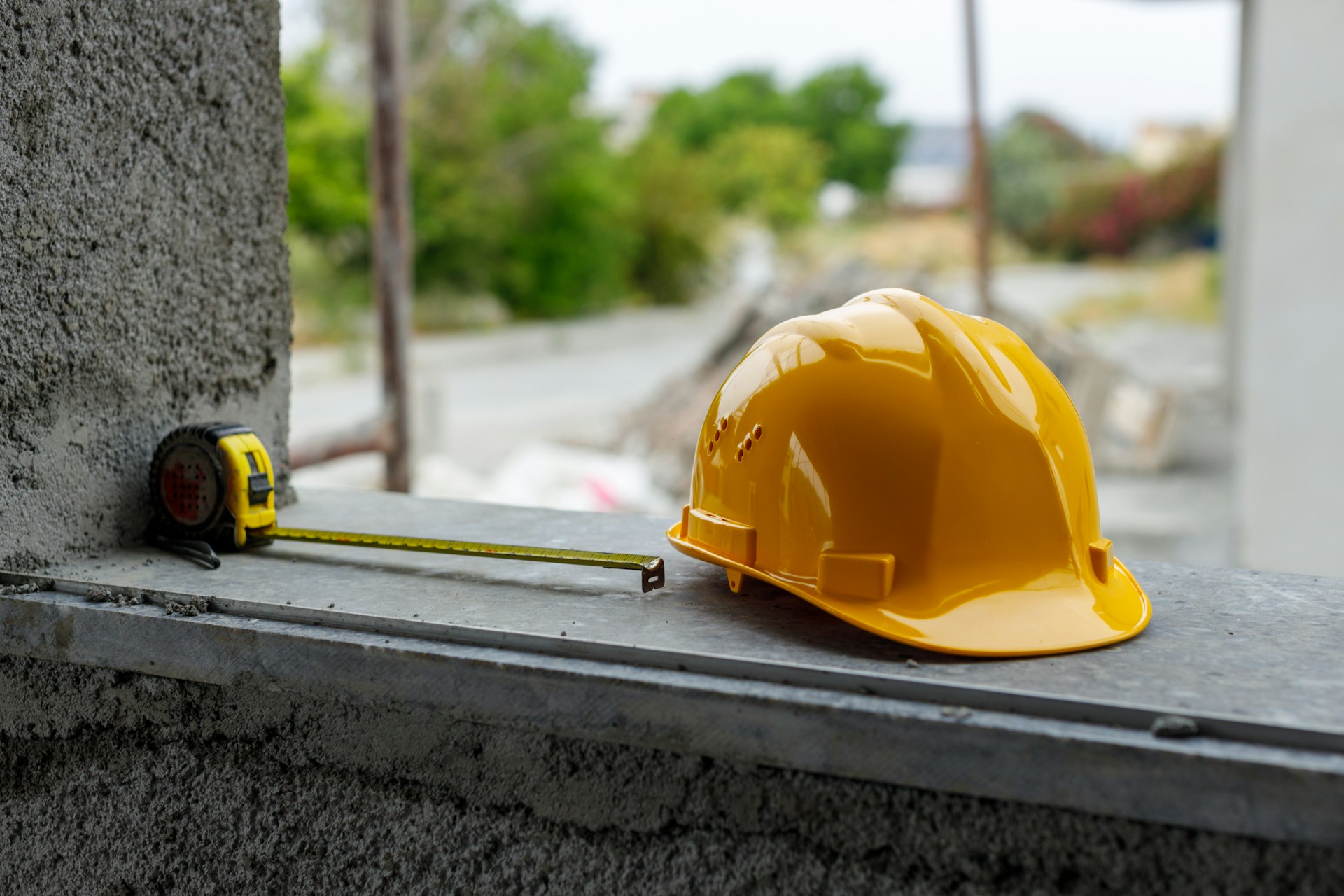
Certain occupations pose greater workplace hazards than those where employees work at a desk. The rate of death (mortality) per occupation is very different from one occupation to another. By recognizing these risks, employees can make informed decisions regarding their employment opportunities, and employers can provide a safer workplace for their employees. The following information outlines the most dangerous jobs in the United States (according to the Bureau of Labor Statistics).
How Job Danger Is Measured
Each Oct. The U.S. Bureau of Labor Statistics tracks occupational fatality statistics with its Census of Fatal Occupational Injuries program, which counts the number of fatalities per 100,000 FTE. Overall, the aggregate fatality rate is approximately 3.6 fatalities per 100,000; however, some occupations have rates far higher than 100 fatalities/100K.
Just because a job does not have a lot of fatalities doesn’t mean it’s completely safe for employees to work there. With many jobs that have high accident rates, there will still be many cases in which an employee has a serious injury, but no death occurs. For example, construction work would have many employees who sustain such serious injuries as to affect the quality of their lives forever, not necessarily resulting in death.
Occupational Safety and Health Administration (OSHA) is a US governmental regulatory agency that is responsible for enforcing laws pertaining to safety in the workplace. In order for an employer to maintain its safety, they need to abide by all applicable safety standards and also report all serious incidents that occur within the scope of the employer’s business operation to OSHA. By having a strong understanding of both statistical data and all applicable regulations regarding workplace safety, employees will be able to take sufficient precautions on their jobs.
The Most Dangerous Occupations
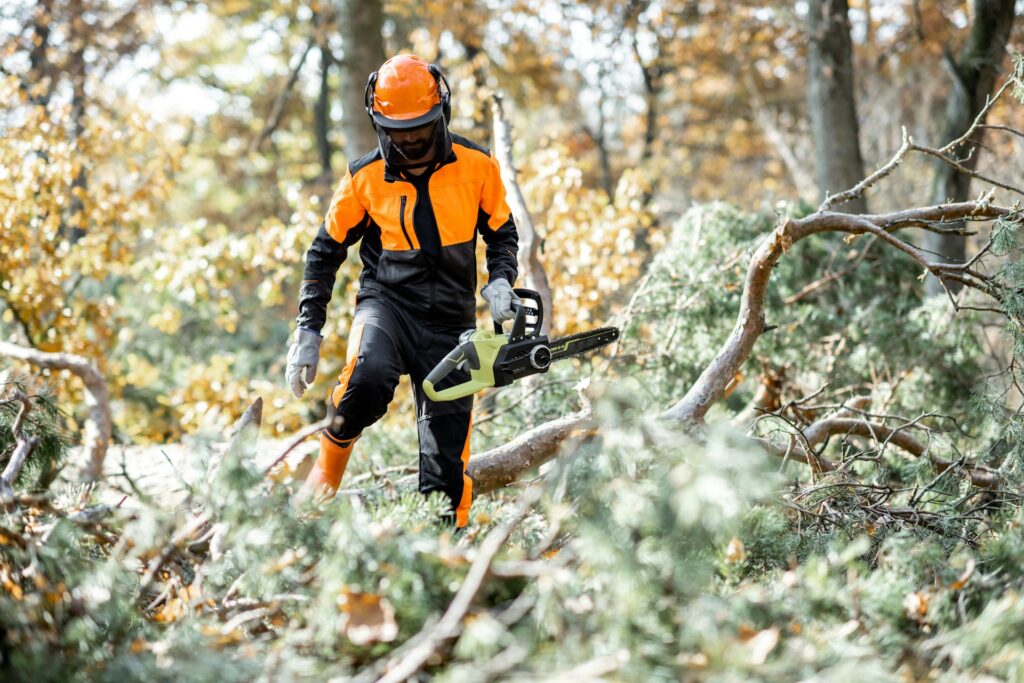
Logging Workers
According to the Bureau of Labor Statistics (BLS) in 2022, logging has consistently ranked as the deadliest job in America, with a fatality rate of more than 100 deaths per 100,000 employees, which is approximately 30 times higher than the national average.
Many people die from tree falls, usually due to miscalculations or contact with falling branches during tree removal work, but equipment failure also contributes to this. Chainsaws, log loaders, and heavy equipment can pose additional hazards throughout the entire workday. When tree removal is done in remote areas, it can be very difficult to respond quickly if an accident were to occur.
Logging can pay good wages, even though this type of work carries risks. The average annual median wage for loggers is about $45,000. Many people find logging to be attractive because they like to work outside instead of inside a building. Although safety and equipment reduce the risks for this job, they do not take away all the risks of working as a logger.
Fishing and Hunting Workers
With its high levels of accidental mortality, commercial fishing is one of the most dangerous professions in the world. Drowning is a leading cause of death for commercial fishermen. However, there is a constant risk of death for commercial fishermen due to factors such as rough weather, equipment failure, and cold water. The number of people who die while working in commercial fishing is very high (over 75 per 100,000 workers).
Crab fishing in Alaska gets exposure on TV programs. Fishing commercially is always dangerous. Being away from medical assistance, long days, and hard physical work all increase the likelihood of being hurt while fishing or crabbing. And the weather can change very quickly when you’re out on the ocean.
If people are prepared to take chances, this profession pays accordingly. A portion of the catch is paid to crew members by some fishing organisations. In high-volume catches, well-run fishing operations are competitive at a percentage of the total catch value. In low-volume catches, consistent low-value catches become more frequent.
Aircraft Pilots and Flight Engineers
From a passenger’s perspective, flying appears to be safe. However, pilots and flight engineers are at a greater risk. The approximate death rate is 55 deaths per 100,000 employees. Most aircraft accidents involve small planes and helicopters.
Crop dusting, helicopter tours, and bush flying are riskier than commercial jets when flying smaller aircraft under difficult conditions. A failure of the aircraft at a lower altitude provides less time to react than with larger aircraft flying at greater altitudes. The weather can change quickly and either trap or put a pilot in danger.
The dangers of commercial airlines are minimal–aircraft are larger, maintained more often, and pilots are trained to fly safely, therefore reducing any risk when flying as a commercial pilot. Even with these safeguards against danger, there is still a possibility of danger from some types of non-commercial flying (eg, aerobatics).
Roofers
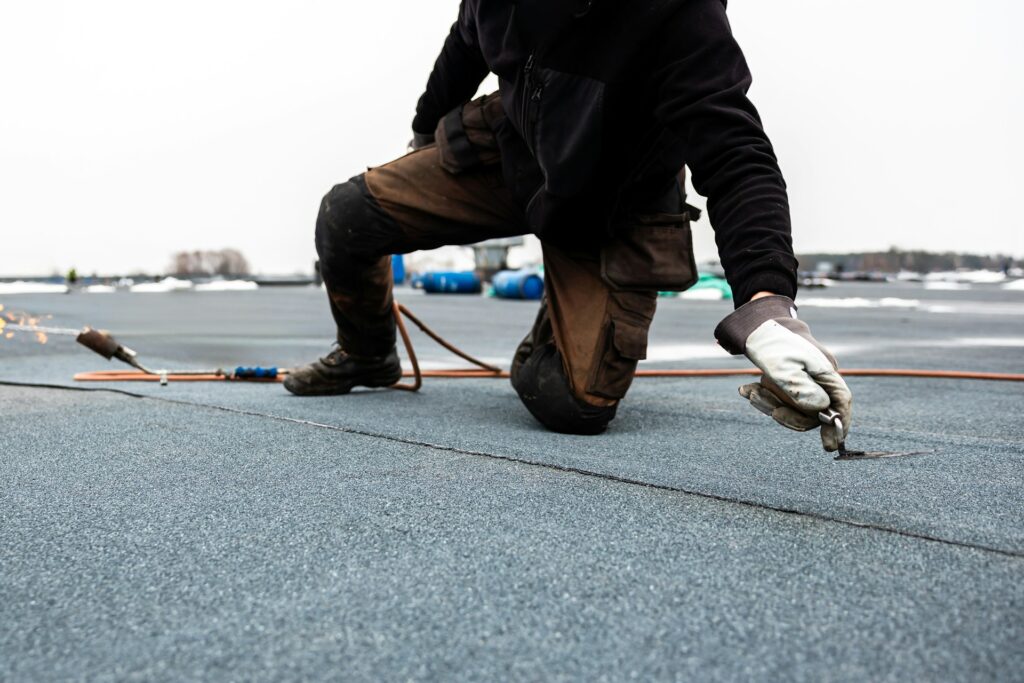
The leading reason why a roofer dies is from falling. Working at height is an extremely dangerous job to do. This work has a fatality rate of about 47 deaths per 100,000 workers. The risk for heat stroke increases during the warmer months due to working in the heat.
Steep inclines make falls more likely; Wet or icy floors increase the risk of slippage; Injuries can occur due to improper use of safety devices; Fall protection is required by OSHA, but compliance with this regulation varies across the building and construction industry.
Roofing is a decent-paying job that requires being physically active. Workers earn an average salary of $47,000 per year. The construction business has a steady supply of buildings that require roofing services. By following safety procedures, workers greatly reduce their chances of getting injured.
Refuse and Recyclable Material Collectors
Although garbage collection may appear mundane, it involves high risk. As per available data, the death rate in the garbage collection industry is approximately 35 per 100,000 workers. A significant number of deaths result from accidents with vehicles. Workers must work near traffic and in any weather conditions.
The primary risk faced by workers is being struck by vehicles. Workers may not be visible to truck drivers, backing vehicles create blind spots, and distracted drivers tend to fail to yield for collection vehicles that are stopped.
Hazards from machinery and equipment also exist. Equipment such as compactors can cause workers to be crushed, while heavy equipment and equipment containing hazardous materials pose other potential hazards to workers. Although safety procedures and equipment can help to reduce but not eliminate these hazards, these hazards may still be present.
Here are other high-risk occupations with their approximate fatality rates per 100,000 workers:
- Structural iron and steel workers: 29
- Truck drivers: 26
- Farmers, ranchers, and agricultural workers: 24
- Power line installers and repairers: 20
- Construction laborers: 13
Different industries have their unique dangers. Iron workers can be killed by falls from high places. Long-haul truck drivers are at risk of being involved in an accident while driving through busy cities and on highways. Agricultural deaths are too often caused by farm machinery.
Safety Improvements Over Time
The number of people killed in the workplace has decreased significantly over the past several years. Several factors, including OSHA regulations, workplace training and education, and better equipment, have contributed to this reduction. The total number of deaths has decreased by over 50% since the 1970’s.
By reducing the risk associated with high-risk tasks, technology has played a major role in enhancing operations; as a result, workers are better protected by improved safety equipment, and communication technologies provide faster emergency response times. Automation will allow for the removal of a worker from more hazardous operations.
Although there have been some advancements in workplace health and safety, not all sectors are equally focused on safety. In some instances, industries will not invest in safety. It is very common for smaller employers not to have the money or ability to provide adequate training. At times, speed-to-market and production take precedence over safe work practices.

How Workers Can Protect Themselves
Safety training is important, especially for understanding the hazards of your specific job, how to perform unsafe tasks correctly, and how to recognize equipment failures (e.g., when equipment stops working) and unsafe working conditions.
The appropriate use of safety gear is to make sure you have it secure and fastened to your body. You cannot rely on a harness if you don’t have it secured to your body. The same applies to protection from hard hats and eyewear; you have to have them on in order for them to give you protection from injury.
Report unsafe conditions to OSHA if you feel that your job is unsafe. If there are serious safety violations at your workplace, you should report them to OSHA, and they will help you. You have the right not to perform tasks that present imminent danger to yourself.
Keep a record of your safety issues and report any significant hazards to the authorities.
Be aware of your rights! Workers are entitled to work in a safe environment. Employers are prohibited from retaliating against employees who raise issues of health and safety in the workplace. Employees may file a claim for workers’ compensation for any injuries sustained, regardless of how the injury occurred. There are legal protections available for someone who suffers an on-the-job injury.
Sources
- Bureau of Labor Statistics: Census of Fatal Occupational Injuries (www.bls.gov)
- Occupational Safety and Health Administration: Industry safety standards (www.osha.gov)
- National Institute for Occupational Safety and Health: Research and recommendations (www.cdc.gov/niosh)
- National Safety Council: Workplace injury prevention data (www.nsc.org)