
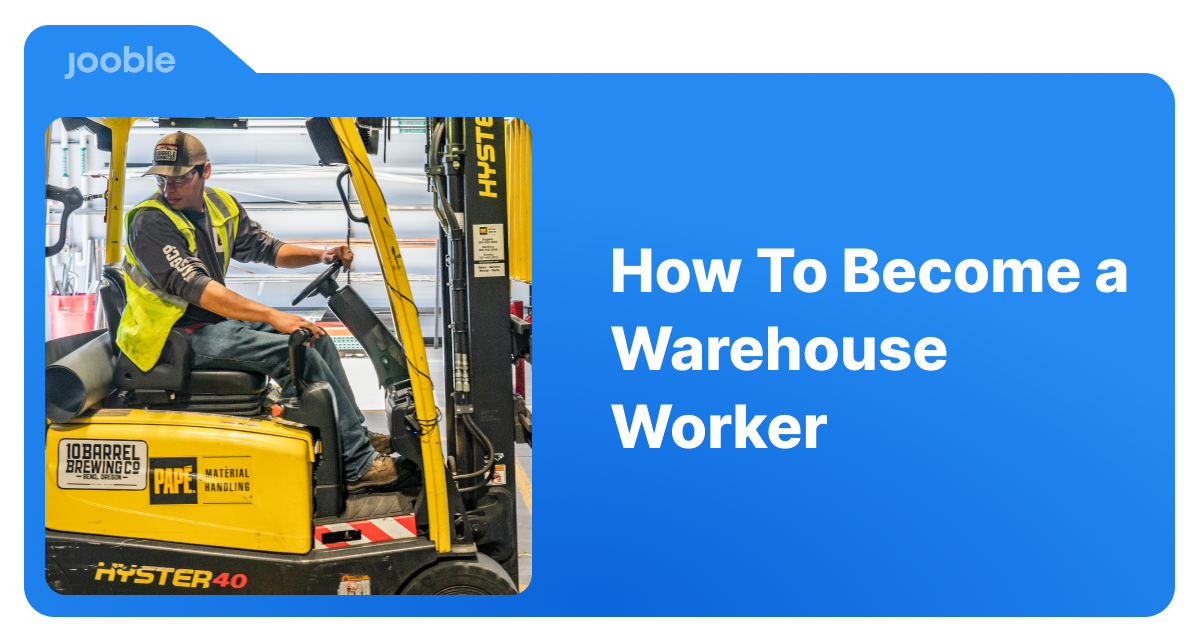
Have you ever considered a career in the bustling world of warehouse jobs? If you’re looking for a role that offers growth opportunities and a vital place within the supply chain, you’re in the right spot. Becoming a warehouse professional involves understanding the daily operations, honing essential skills, and often completing training programs. This career path is not only rewarding but also essential for keeping goods moving efficiently, making it a fantastic choice for those who thrive in dynamic environments.
Requirements to Become a Warehouse Worker
Embarking on a career in warehousing can be both rewarding and challenging. To ensure you thrive in this fast-paced environment, meeting the requirements that lay the foundation for success in various warehouse roles is essential.
- Education: While a high school diploma or GED is often preferred, many warehouse positions do not require formal education, allowing for on-the-job training.
- Certifications: Obtaining certifications such as OSHA safety training or forklift operation can enhance your employability and demonstrate your commitment to safety and efficiency.
- Physical Fitness: Lifting heavy items and performing repetitive tasks is crucial, as many warehouse jobs involve significant physical activity throughout the day.
- Attention to Detail: Being detail-oriented helps ensure accuracy in inventory management and order fulfillment, reducing errors that can lead to costly mistakes.
- Basic Computer Skills: Familiarity with warehouse management systems and basic software applications is increasingly important as technology becomes integral to warehouse operations.
- Teamwork: A collaborative attitude is vital, as warehouse work often requires coordination with colleagues to achieve collective goals and maintain efficiency.
- Experience: While many positions are entry-level, prior experience in a warehouse or similar environment can give you a competitive edge during the hiring process.
Lists of Tools and Skills Required for a Warehouse Success
In the bustling environment of a warehouse, having the right tools and skills is crucial for efficiency and productivity. Combining advanced technology and essential skills streamlines operations and enhances employee safety and satisfaction. Here’s a breakdown of the tools and skills that can significantly contribute to success in a warehouse setting.
- Warehouse Management Software: Tools like Fishbowl or NetSuite help manage inventory and streamline processes. Companies using such software report a 20% increase in efficiency.
- Forklifts and Pallet Jacks: These are essential for moving heavy items, with proper training reducing workplace accidents by 40%.
- Barcode Scanners: Scanning technology speeds up inventory tracking, reducing errors by up to 30%.
- Automated Storage and Retrieval Systems (AS/RS): This technology can improve storage density and retrieval speed, leading to a 50% increase in productivity.
- Safety Equipment: Personal protective equipment (PPE) such as gloves and helmets is vital, with compliance reducing injury rates significantly.
- Attention to Detail: This skill ensures accuracy in inventory management, reducing costly errors.
- Physical Stamina: A key requirement, as warehouse jobs often involve lifting and prolonged periods of standing.
- Teamwork: Collaborating effectively with colleagues can enhance workflow and create a more harmonious work environment.
- Technical Proficiency: Familiarity with warehouse software systems is crucial, as workers may spend 30-40% of their time interacting with these tools.
- Time Management: Efficiently prioritizing tasks can improve operational success, positively impacting overall productivity.
Warehouse Salary
When considering a career in the warehouse sector, understanding the potential earnings is crucial. Warehouse professionals in the USA can expect a diverse range of salaries, influenced by various factors like location, industry, and experience level. Entry-level positions often start at a modest wage, typically around $28,000 to $35,000 annually, while average salaries hover around $40,000 to $50,000 for those with a few years of experience. For seasoned professionals, especially those in supervisory roles or specialized positions, salaries can soar to $60,000 or more. The demand for skilled workers in this field continues to rise, making it a promising career choice for many. To delve deeper into what you can expect, check out the detailed breakdown of warehouse salaries across the country.
| State | Average Salary |
|---|---|
| California | $54,000 |
| Washington | $52,000 |
| New York | $51,000 |
| Massachusetts | $50,000 |
| New Jersey | $49,000 |
| Illinois | $48,000 |
| Texas | $46,000 |
| Pennsylvania | $45,000 |
| Florida | $43,000 |
| Ohio | $42,000 |
Career Paths and Opportunities after Becoming a Warehouse Professional
Embarking on a career in the warehouse sector opens the door to many pathways that can lead to growth and specialization. With the ever-increasing demand for efficient supply chain management, warehouse professionals are finding a wealth of opportunities to advance their careers. Whether you’re looking to climb the ladder within a specific company or branch out into new fields, the warehouse industry provides a solid foundation for a rewarding career.
- Warehouse ManagerAs a Warehouse Manager, you’ll oversee daily operations, manage staff, and ensure everything runs smoothly. This role requires strong leadership skills and an understanding of logistics to streamline processes and improve efficiency in the warehouse.
- Inventory Control SpecialistInventory Control Specialists play a vital role in managing stock levels and ensuring that the right products are available when needed. This position involves monitoring inventory systems and working closely with other departments to maintain an accurate account of inventory.
- Logistics CoordinatorIn the role of a Logistics Coordinator, you’ll be responsible for planning and coordinating the transportation of goods. This position often involves working with suppliers and carriers to ensure timely deliveries, making it perfect for those who enjoy problem-solving in a fast-paced environment.
- Forklift OperatorBecoming a Forklift Operator is a great entry point into the warehouse field. This role requires certification and involves operating heavy machinery to move goods safely and efficiently around the warehouse. It’s a hands-on position that is crucial for warehouse operations.
- Supply Chain AnalystAs a Supply Chain Analyst, you’ll leverage data to improve supply chain processes and reduce costs. This analytical role often requires a background in data analysis and is ideal for those looking to make an impact on overall warehouse efficiency.
Common Questions
What qualifications do I need to work in a warehouse?
Typically, a high school diploma or GED is required for warehouse positions. Some employers might also look for prior experience in a warehouse setting, but many offer on-the-job training as well.
What skills are essential for warehouse jobs?
Key skills include attention to detail, physical stamina, and the ability to operate machinery. Familiarity with inventory management systems is also advantageous in today’s automated warehouses.
How can I write a compelling warehouse resume?
A strong warehouse resume should highlight relevant experience, skills, and any certifications. Tailoring your resume to specific job descriptions can also help you stand out to employers.
What should I include in my warehouse cover letter?
Your warehouse worker cover letter should emphasize your skills and experience and explain why you are a good fit for the job. Personalizing it to the company can make a significant impact.
How do I prepare for warehouse interview questions?
To ace your interview, familiarize yourself with common warehouse worker interview questions and answers. Practicing your responses can help you feel more confident on the interview day.
What does a warehouse do daily?
A warehouse primarily handles inventory management, including receiving, storing, and shipping products. For more details, you can explore what a warehouse worker does.
Is experience necessary for entry-level warehouse jobs?
No prior experience is usually required for entry-level positions, as many companies provide training. However, having some experience can give you a competitive edge when applying.
What are the career advancement opportunities in warehousing?
Depending on your interests and skills, you can advance to warehouse supervisor, inventory manager, or logistics coordinator roles with experience and additional training.